

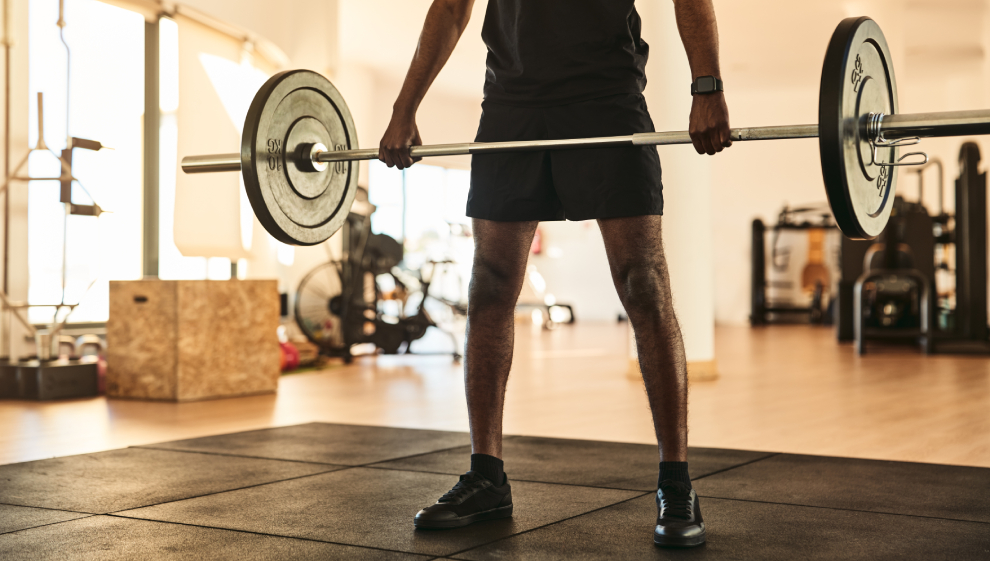
Strength training is often associated with building muscle, but its benefits go far beyond appearance. Whether you’re lifting weights, using resistance bands, or doing bodyweight exercises, strength training supports long-term health, functional movement, and overall quality of life.
Incorporating strength training into your routine can create changes that impact how you move, feel, and age.
Builds and Preserves Lean Muscle
Muscle mass naturally declines with age, especially without regular resistance exercise. Strength training helps slow this process and maintain physical capability.
Key benefits include:
- Improved muscle tone and strength
- Better physical performance in daily tasks
- Reduced risk of age-related muscle loss
Maintaining muscle supports independence and mobility over time.
Boosts Metabolism and Fat Loss
Strength training increases muscle mass, which raises the body’s resting metabolic rate. This means you burn more calories even when not exercising.
Metabolic benefits include:
- Increased calorie burn throughout the day
- Improved body composition
- Greater efficiency in fat utilization
This makes strength training a valuable tool for sustainable weight management.
Improves Bone Density and Joint Health
Resistance exercises place controlled stress on bones, encouraging them to become stronger. This is especially important as bone density decreases with age.
Strength training supports:
- Reduced risk of fractures
- Stronger connective tissues
- Improved joint stability and balance
These benefits help protect against injuries and mobility limitations.
Enhances Mental Health and Confidence
Strength training isn’t just physical—it has powerful psychological effects. Many people report feeling more confident and mentally resilient as they get stronger.
Mental health benefits include:
- Reduced stress and anxiety
- Improved mood and focus
- Increased self-confidence and body awareness
Progress in strength often translates into greater confidence beyond the gym.
Supports Heart and Metabolic Health
Although often overlooked, strength training contributes to cardiovascular and metabolic wellness when performed consistently.
It can help:
- Improve blood sugar regulation
- Support healthy cholesterol levels
- Reduce risk factors associated with chronic conditions
Strength training complements aerobic exercise for balanced health.
Improves Posture and Functional Movement
Modern lifestyles often involve prolonged sitting, which can weaken muscles and disrupt posture. Strength training helps restore balance and alignment.
Functional benefits include:
- Better posture and spinal support
- Improved movement efficiency
- Reduced risk of back and neck discomfort
Strong muscles support the body during both exercise and everyday activities.
Adaptable for All Fitness Levels
Strength training can be customized for beginners, experienced athletes, and older adults alike. Progression is based on individual ability, not comparison.
Adaptability includes:
- Adjustable resistance and intensity
- Scalable exercises for different abilities
- Low-impact options for joint-friendly training
This flexibility makes strength training accessible and sustainable.
Encourages Long-Term Consistency
Unlike extreme workouts, strength training promotes gradual progress that’s easier to maintain. Seeing measurable improvements helps reinforce consistency.
Consistent training leads to:
- Steady strength gains
- Reduced injury risk
- Long-term habit formation
This makes strength training one of the most reliable fitness investments.
Frequently Asked Questions
1. How often should I do strength training?
Most people benefit from 2–3 strength training sessions per week, allowing rest days between sessions.
2. Will strength training make me bulky?
Not typically. Significant muscle growth requires specific training and nutrition strategies that most people do not follow unintentionally.
3. Can beginners safely start strength training?
Yes. Starting with light resistance and proper form makes strength training safe and effective for beginners.
4. Is bodyweight training considered strength training?
Absolutely. Bodyweight exercises build strength using your own resistance.
5. How long does it take to see results?
Strength improvements often appear within a few weeks, while visible changes may take longer with consistency.
6. Can strength training help with weight loss?
Yes. It supports fat loss by increasing muscle mass and metabolic rate.
7. Do I need equipment to get the benefits?
No. Resistance bands, bodyweight exercises, or household items can all be effective tools.
